
By AI Peak Biz Team · October 9, 2026
Local Number Texting: 24/7 AI and Consent Rules for Service Owners
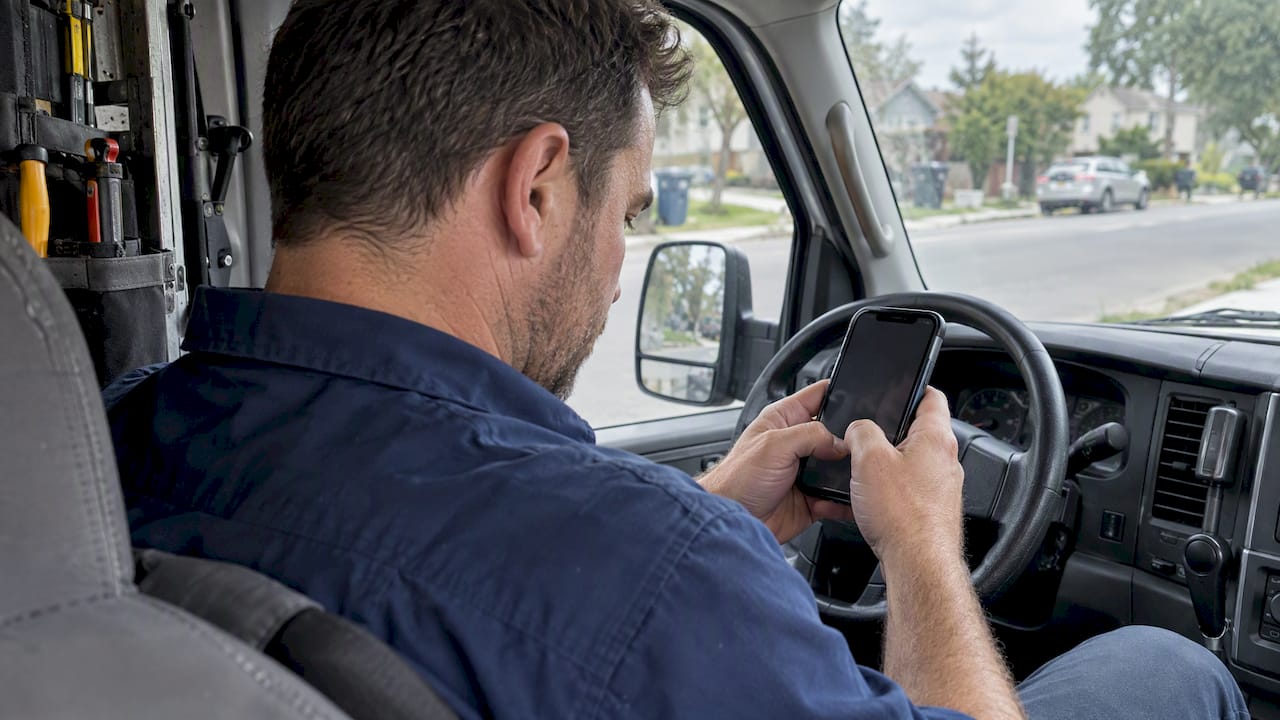
The fastest, most reliable way to qualify leads, recover missed calls, and book appointments is local-number (10DLC) two-way texting paired with instant-response automation. Used together, they help you consistently hit the sub-five-minute reply window that separates booked jobs from lost ones. This approach protects what you spend on paid lead channels and keeps your calendar full, even when your crew is out on a job.
TL;DR:
- Carriers require Brand and Campaign registration before local business texting; document website, keyword, or verbal opt ins and include clear STOP language.
- Keep each message under 160 characters where possible, and design the full missed call to booking flow to finish within two or three exchanges.
- A standard local number suits most single location service businesses; toll free numbers or short codes mainly serve national, high volume messaging.
- Staff can miss leads nights and weekends, while call centers may lack trade knowledge; always on automation covers those gaps but needs compliant setup.
- Pilot automation on one lead source, then monitor response time, documented opt ins, deliverability, and opt out rates weekly during the first month.
Table of Contents
- Why local-number texting works: evidence and business impact
- Compliance and technical setup checklist for local-number texting
- Ready-to-use message templates and simple flows
- Implementation options: staff, call centers, or an always-on AI responder
- Author perspective: why hands-on setup matters
- How AI Peak Biz handles local-number texting and instant response
- Sources
Why local-number texting works: evidence and business impact
Local-number texting works because it meets customers exactly where they already are. In 2026, 89% of surveyed consumers had opted in to business texting and 87% said they check a new text within 15 minutes, making SMS the fastest channel available to a local service business. No phone tag, no voicemail, no waiting by the phone.
Speed is the other half of the equation. Aggregated lead-response research shows a strong first-responder advantage: contact and qualification rates drop sharply once you pass the five-minute mark, and the business that replies first usually wins the job.
For local services, that math plays out in real dollars:
- A missed call from a paid Yelp or Google Local Services Ad lead often means the homeowner has already texted a competitor within minutes.
- A Thumbtack inquiry answered an hour later frequently converts to nothing, even though you already paid for the click.
- A same-day text-back on a missed call can recover a job that would otherwise show up as wasted ad spend.
A business that texts back within minutes, instead of hours, keeps far more of the leads it already paid to generate. That single shift in response time is often the difference between a profitable lead channel and a losing one.
Compliance and technical setup checklist for local-number texting
Before you can text customers from a local number, carriers require you to register as a legitimate business sender. This is called A2P 10DLC, short for Application-to-Person messaging on 10-digit long code numbers, and it exists to keep spam off the network and protect consumers who opt in to real business communication.
Here is the setup sequence, in order:
- Choose your number type. A standard local 10DLC number works for most service businesses sending appointment texts, confirmations, and lead follow-up.
- Register your Brand. This step verifies your business identity (legal name, EIN, address) with the carriers through your texting platform, following Twilio's A2P 10DLC documentation.
- Pick your Campaign use case. Categories like "customer care" or "low-volume mixed" cover most missed-call recovery and appointment texting.
- Submit your message flow and opt-in proof. Carriers want to see exactly how customers agree to receive texts and what those texts look like.
- Add your number to the approved campaign. Once approved, your local number can send two-way business texts to people who opted in.
Acceptable opt-in methods include a checkbox on your website booking form, a text keyword like "Text JOBS to opt in," or a verbal script your dispatcher reads and logs during a phone call, each paired with clear opt-out language such as "Reply STOP to unsubscribe." Carriers and compliance guidance consistently flag incomplete opt-in proof as the top reason registrations get rejected, so document every collection point before you submit.
Pro Tip: Keep a dated screenshot or saved copy of every opt-in form and script. If a campaign gets flagged, that proof is what gets you approved faster on resubmission.
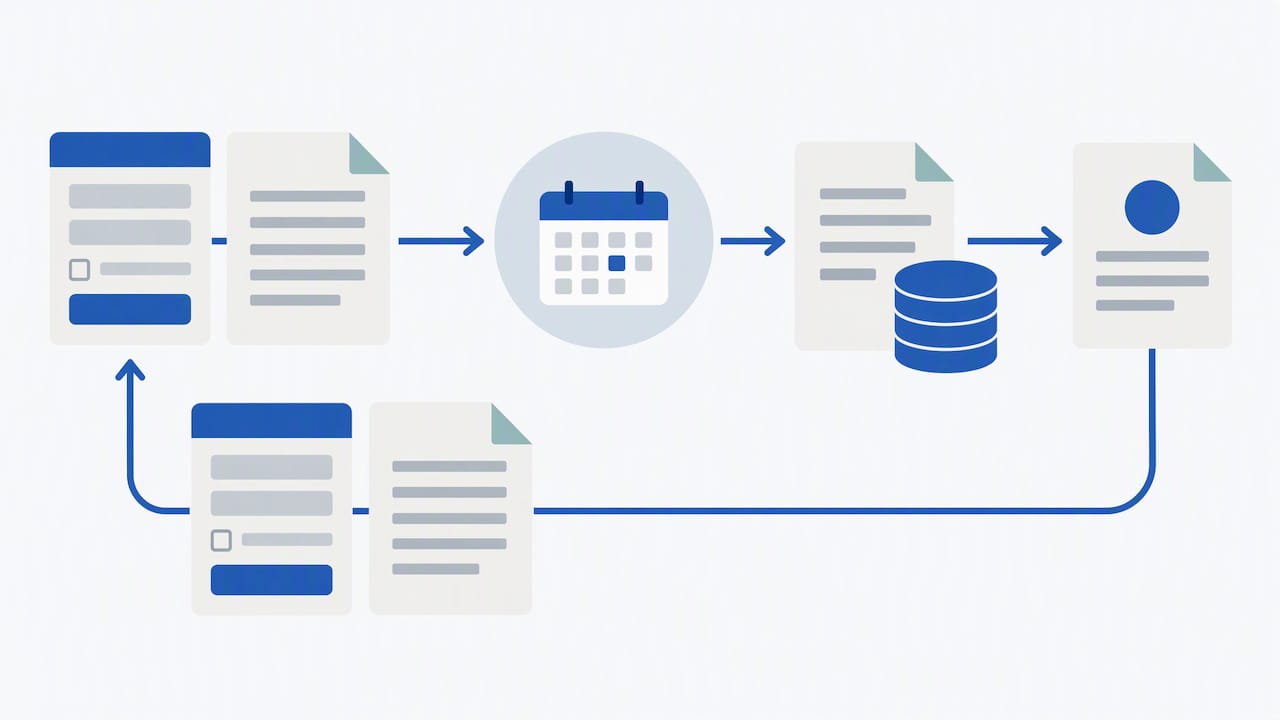
A local 10DLC number covers the vast majority of local service use cases. Toll-free numbers or short codes make sense only if you are sending very high volumes nationally or need instant throughput that a standard local number cannot match, which is rare for a single-location service business.
Ready-to-use message templates and simple flows
A good text flow is short, specific, and expects a reply. Here are templates you can adapt today:
- Missed-call text-back: "Hi, this is [Business Name]. Sorry we missed your call! What's going on and we'll get you taken care of today."
- Qualification, step one: "Got it, thanks. What's the address for the job?"
- Qualification, step two: "Perfect. Are mornings or afternoons better for a visit this week?"
- Booking confirmation: "You're confirmed for [day] at [time]. Reply if anything changes."
- 24-hour reminder: "Reminder: your appointment with [Business Name] is tomorrow at [time]."
- Same-day reminder: "See you today at [time]! Reply if you need to reschedule."
Keep each message under 160 characters where possible so it lands as a single SMS segment, and use MMS to send a photo of your crew or a completed job when it builds trust. The whole flow, from missed call to booked appointment, should take no more than two or three message exchanges. Consumers consistently say they prefer quick, two-way texting over long phone calls for scheduling, so a tight script wins more bookings than a chatty one.
Pro Tip: Personalize the first text with the caller's name and your business name. A generic "We received your message" reads like spam and gets ignored.
Implementation options: staff, call centers, or an always-on AI responder
You have three practical ways to deliver fast, two-way local texting, and each comes with trade-offs.
- In-house staff: You keep full control over tone and detail, but coverage has gaps nights, weekends, and whenever your office is short-staffed.
- Answering services or call centers: You get 24/7 coverage, though agents working from a script often struggle to qualify a job the way someone who knows your trade would.
- AI-powered instant response: An always-on system replies within seconds, asks qualifying questions, books the appointment directly on your calendar, and keeps the message flow aligned with your registered 10DLC campaign.
For most local service businesses, an AI responder is the only option that reliably hits the sub-five-minute window every hour of every day, since it never takes a lunch break or gets pulled onto a job site.
Whichever route you choose, roll it out carefully:
- Pilot on one lead source first, such as your Google Business Profile or website form.
- Measure actual response time against the five-minute benchmark.
- Verify every opt-in is captured and documented.
- Monitor deliverability and opt-out rates weekly during the first month.
Author perspective: why hands-on setup matters
Most owners I talk to do not have a texting problem. They have a bandwidth problem: the phone rings while someone is on a roof or under a sink, and the lead goes cold before anyone gets back to the truck. Software alone does not fix that. What works is automation paired with someone who actually sets it up right, tests the opt-in flow, and makes sure the compliance pieces hold up.
Recovering even one missed $500 job in a month can cover the cost of running an automated response system, and most local service businesses miss more than one call a month. The math tends to make the decision for you.
How AI Peak Biz handles local-number texting and instant response
Our platform is designed to provide fast response and proper setup, answering calls and texts quickly, qualifying leads, and booking appointments directly on your calendar, all from a registered local number.

Here is what you get:
- Fast call and text answering
- Lead qualification in the initial exchange
- Direct appointment booking
- A unified inbox for multiple messaging channels
- Support with onboarding, opt-in flows, and registration processes
If you are losing jobs to slow callbacks, see how our AI Website, Base Camp, Ascent and other plans can help you answer leads fast, starting with hands-on setup.
Sources
FAQ
What is local number texting for a service business?
Local number texting means sending and receiving two-way SMS from a standard local phone number registered under A2P 10DLC rather than a toll-free or short code. It lets service businesses text customers for missed-call recovery, lead qualification, and appointment booking using a number that looks and feels local.
How fast should I respond to a new text or missed call?
Aim for under five minutes. Lead-response research shows contact and qualification rates drop sharply the longer a lead waits, so the business that replies first usually wins the job.
Do I need to register my number before texting customers?
Yes, carriers require Brand and Campaign registration under A2P 10DLC before you can send business texts from a local number. You will also need documented proof of customer opt-in for every number you collect.
What counts as a valid opt-in for business texting?
A valid opt-in can be a website checkbox, a text keyword like "Text JOBS to opt in," or a verbal script your team reads and logs on a call. Every method needs clear opt-out language, such as "Reply STOP," included in the first message.
How does AI Peak Biz fit into a local texting strategy?
We provide fast call and text answering, lead qualification, and appointment booking from a properly registered local number, with hands-on onboarding to help with number registration. Confirm your consent process with your own compliance advisor. Our plans are built for local service businesses that want sub-five-minute response times without hiring additional staff.